If you’ve watched a few sessions at the local club or scrolled through a mobile feed, you’ve probably noticed how spin-based features can shift the whole rhythm of a game. That’s exactly where lock and spin pokie mechanics explained becomes useful, because the way symbols lock, respin, and stack changes what you’re actually watching on screen. The idea isn’t about chasing a particular payout; it’s about understanding how the feature structures each round so you can read the screen properly and manage your session without guessing. When the mechanics are clear, you stop treating every cascade like a mystery and start recognising what the feature is built to do.
How the Feature Reads on Screen
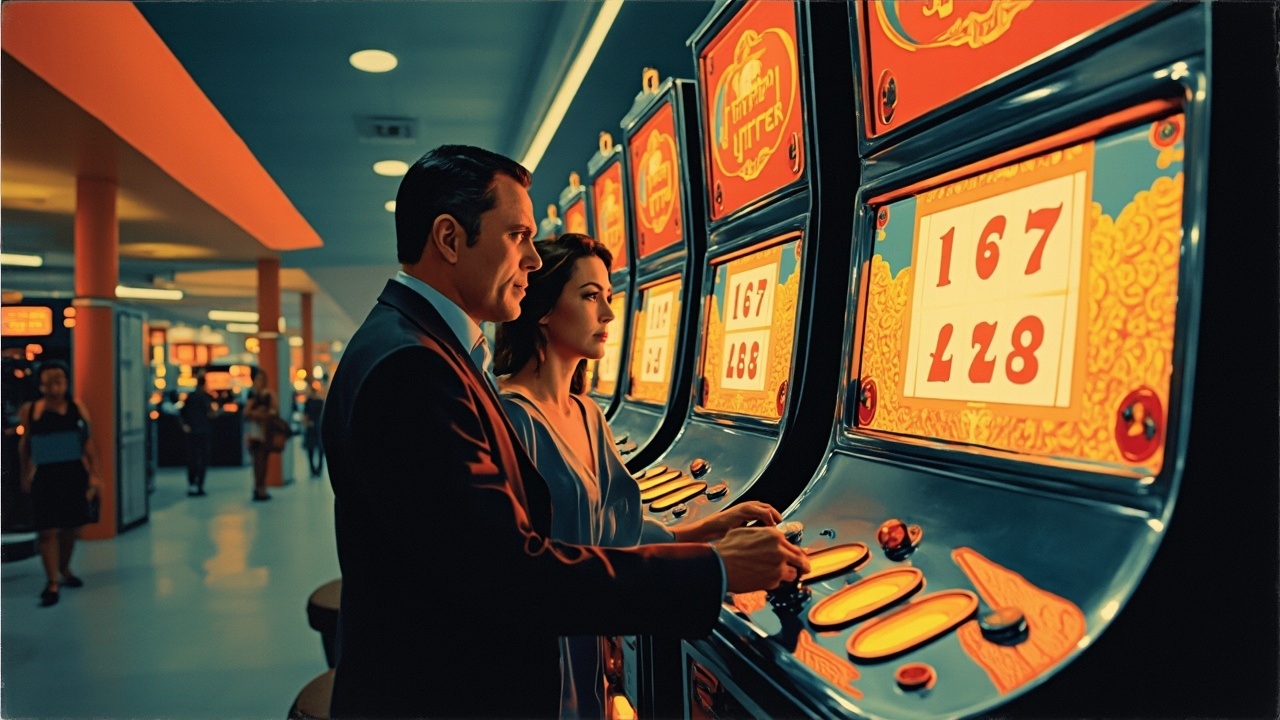
A lock and spin feature usually starts when a defined set of symbols lands in a qualifying pattern, then those positions lock while the remaining reels spin again. The attraction is straightforward: you get extra chances to build on what’s already sitting there, and the visual feedback keeps the round moving without forcing you to re-enter a bet each time. What matters most is how the feature defines a “lock” and what happens when a new symbol lands on top of an active position. Some setups treat the locked symbols as fixed anchors, others allow a new matching symbol to replace or extend them, and that distinction changes how you interpret the screen from one cascade to the next. If you want a broader sense of how win paths can be structured across different layouts, you can read our related piece on 1024 ways to win in pokies explained for a clearer picture of how paylines, adjacent positions, and cluster wins can sit alongside a lock mechanic.
The practical side is that the feature rewards attention, not assumption. A locked position can look like a guarantee, but it’s only a temporary hold until the next spin resolves. That’s why it helps to watch how the game signals a completed sequence, whether it counts a win immediately or waits for the final respin, and whether the locked symbols stay in place for one extra cycle or until the feature ends. In a busy arvo session, that kind of clarity matters more than hype, because you’re trying to read the machine’s rhythm rather than chase every flash on the screen.
What the Feature Is Built Around
Lock and spin pokie mechanics explained as a design choice usually comes down to pacing and visibility rather than raw complexity. The feature is meant to give a round a second act, so the developer has to decide how many positions can lock, how often a respin triggers, and whether the locked symbols carry through a fixed number of cycles or until the screen clears. The result is a feature that feels active without turning every session into a puzzle. It’s closer to a well-run sports broadcast than a guessing game: the structure is visible, the sequence has a beginning and an end, and the player is watching a defined process unfold.
That structure also shapes how providers think about presentation. You’ll often see the feature paired with a theme that can carry extra motion without cluttering the core read, because the locked positions need to stay obvious while the rest of the screen keeps moving. The balance matters. Too much visual noise and the locks become hard to track; too little and the feature feels flat. A good implementation keeps the locked symbols legible, makes the respin count clear, and avoids pretending the round is doing something it isn’t. That’s the difference between a feature you can follow and one you have to keep relearning.
Reading the Session Without Overreading It
A lot of players treat a lock feature like a signal that the game is about to behave differently in a bigger sense, but the reality is usually narrower. The feature changes how a single round plays out, not how the overall session is structured. That’s a common misconception worth sorting out early: people assume the locks mean the game is “warming up” or “due” to behave in a particular way, when in practice the mechanic is just giving the current round another sequence to resolve. The nuance is that the feature can make a round feel longer and more involved, which is useful if you like watching the screen develop, but it doesn’t rewrite how outcomes are generated or how the session should be managed.
That distinction matters because it keeps your expectations in line with what you’re actually seeing. If you’re playing with a set budget and a clear stop point, the lock feature is part of the round, not a separate promise. If you’re watching for the feature to appear, you’re watching a specific trigger pattern, not a general tilt in the game. The more you treat it as a visible sequence with defined rules, the easier it is to stay focused on the session itself rather than reading extra meaning into every lock.
Setting Up a First Session Properly
If you’re signing up and planning a first run, the practical order is still the same as any proper session: check eligibility, complete verification, fund the account, activate any bonus carefully, then start with a controlled first play. The feature itself doesn’t change that process, but it does make it worth knowing exactly what you’re looking at before you commit to a bet size.
- Confirm you meet the site’s eligibility rules and complete identity verification before depositing, because a first session is the wrong time to be waiting on paperwork.
- Read the bonus terms closely, especially any rules around feature triggers, bet limits, or game restrictions, so you know what’s actually allowed on the first deposit.
- Choose a bet size that fits the session you want, not the feature you hope to see, and keep the first play modest so the screen’s rhythm stays easy to follow.
- Start with a clear stop point in mind, watch how the lock sequence behaves on the first few rounds, and adjust only if the session is still within the limits you set.
If you want to check the registration and first-session details directly, you can visit https://luckyelfnodepositbonus.com/ for the layout and steps as they’re presented there. The point isn’t to rush the setup; it’s to make sure the first session is ordinary and readable, with the feature treated as part of the game rather than the reason for playing it.
Expert View on the Feature’s Role
The people building and presenting these games tend to talk about the feature in practical terms, not dramatic ones. Georgia Walker, Head of Product, Ironbark Compliance Advisory, has pointed out that lock-based features need to stay readable this link for the player, because a mechanic that looks exciting but is hard to follow becomes a compliance and usability problem rather than a genuine improvement. Zoe Hall, Head of Public Relations, Swan River Interactive, has noted that the feature works best when the presentation keeps the locked positions obvious and the respin sequence easy to count, which is why clear signalling matters more than extra decoration. Ruby Hall, Head of Live Casino, Koala Digital Group, has also observed that players usually respond better to a feature they can interpret quickly, since a lock mechanic is only useful if it gives the round a shape you can actually recognise.
That’s the throughline: the feature is most useful when it’s legible. If the locks are clear, the respin count is visible, and the end of the sequence is obvious, the round feels organised rather than noisy. If any of those pieces are muddy, the feature starts feeling like a spectacle instead of a mechanic you can read.
Even down in Geelong, where the local footy crowd knows how to read a game as it unfolds, the same habit applies: watch the structure, not just the highlight. A lock and spin feature is no different. If you can see what’s locked, what’s still moving, and when the sequence ends, you’re playing with a clearer head than if you’re treating every cascade like a sign from the machine. That’s the practical takeaway, and it’s enough to make the feature worth understanding without turning it into something it isn’t.1024 Ways to Win in Pokies